A butterfly can leave a record without being caught a second time. A new project introduced in Hualien on November 18 uses miniature solar-powered transmitters to let compatible phones detect tagged insects, adding a digital trace to the work of observing their movements.
The launch at Liyu Lake Visitor Center in Shoufeng Township brought together conservation groups, local residents and school participants. For travellers in eastern Taiwan, it suggests a different relationship with the phone in a pocket, one that can contribute a small piece of research rather than simply record a holiday photograph.
A small beginning in the East Longitudinal Valley
The scenic-area headquarters says the project aims to fill gaps left by traditional marking and recapture. Detecting an identified individual repeatedly could reveal places where butterflies pause and the routes between them. That is a research goal, rather than a completed map of migration across Taiwan.
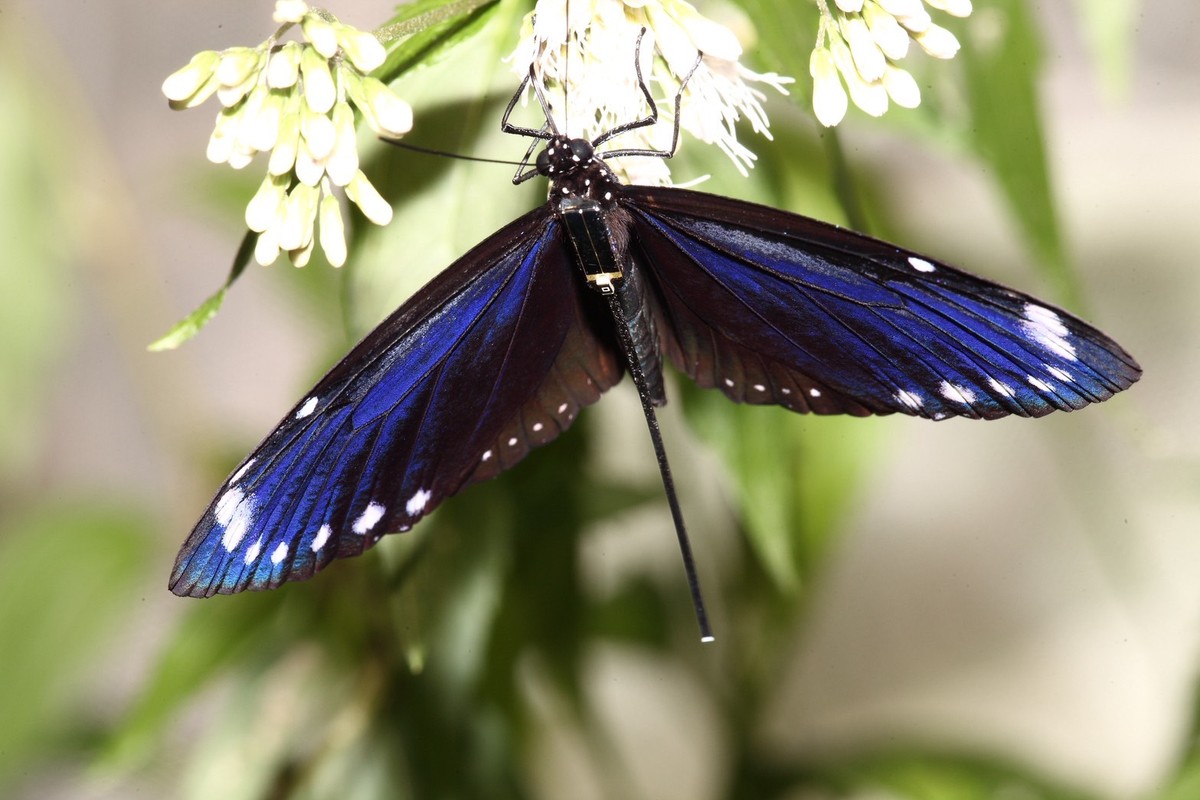
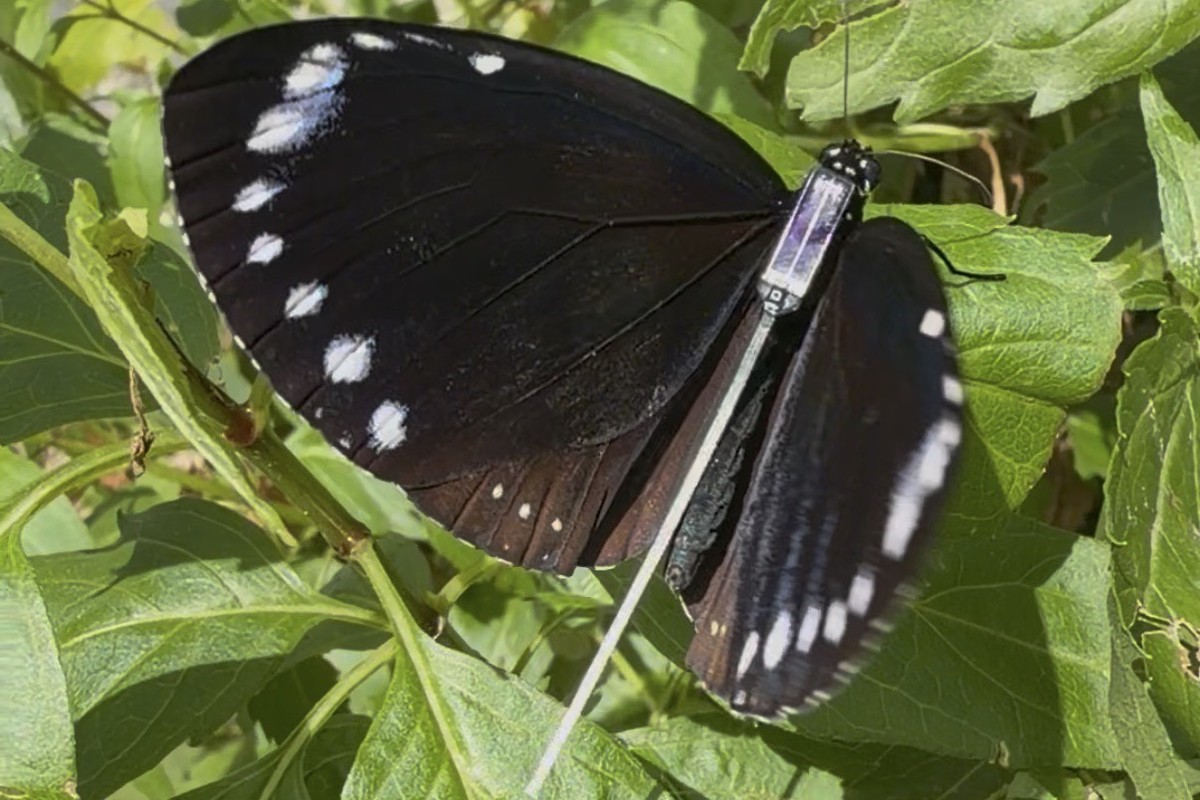
Central News Agency reported that one small crow and one dark blue tiger had been fitted with transmitters for the new project. These are milkweed butterflies, despite an app name associated with the North American monarch. The shared software does not make the Taiwanese study a release of North American monarch butterflies.
The organisers describe the work as an Asian first for this form of electronic butterfly tagging. That claim belongs to the project team; the local launch and the named study species are more concrete starting points than a claim to have solved insect migration.
What a phone can detect
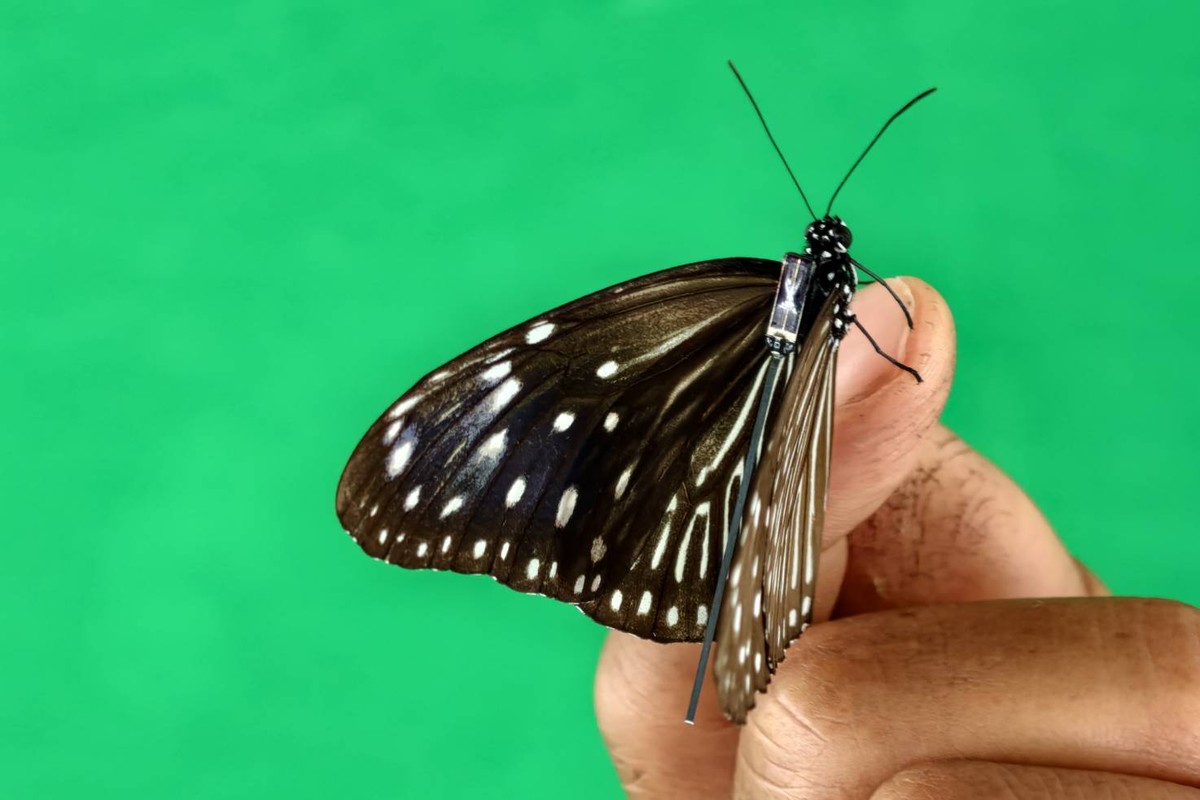
The Taiwan organisers describe solar-powered transmitters of about 0.06 grams that send an individual identifier using 2.4-gigahertz signals compatible with Bluetooth detection. A phone or receiver must be within range to register a tagged insect. This is not a satellite tracker that continuously reports every butterfly’s position.
The official invitation names Project Monarch Science for iOS and Project Monarch for Android. Participants are asked to enable Bluetooth and location functions and send detection information, including the tag identifier, time and place, for the research team to check. Public Television Service reports that the scanning interface is used to look for nearby signals; finding one is a possibility, not a promised activity on every visit.
Monarch Watch, a research programme at the University of Kansas, describes how the same wider technology combines tagged insects with detections by the public. Its North American work provides background for the approach. Its migration results should not be treated as evidence that the new Taiwan project has already achieved the same outcomes.
Participation starts with observation
The Hualien event included species identification, professional demonstrations of traditional and electronic tagging, and signal searching. The headquarters says live-butterfly activities were adjusted to conditions and the animals’ state. A visitor’s role in the public programme is to contribute observations and detections; downloading an app is not an invitation to capture insects or attach equipment independently.
The involvement of local schools and communities matters because observations depend on people being present where butterflies move. A useful record has to connect an individual tag with a time and place, and then withstand checking. A larger collection of verified encounters can be more informative than an isolated attractive image.
The project is still at an early stage. The sources reviewed for this report announce its launch and explain participation, but do not establish population recovery, a complete migration corridor or guaranteed detection points for tourists. The opportunity is to help assemble the evidence from which those movement patterns may eventually become clearer.


Reporting and dates — Source article published 2026-11-18T17:07:00+08:00. Research checked November 22, 2026 (Asia/Taipei). This article is based on documentary research; it does not imply an on-site visit. Photo publication dates and known capture dates are distinguished in the captions.
Sources and further reading — PTS, November 18 report; East Longitudinal Valley National Scenic Area Headquarters, November 18 launch; CNA / Focus Taiwan, identified species and initial tagging; Monarch Watch, radio tagging and citizen detections.