The queue for a high-speed train in Taiwan may soon begin before the ticket gate. A trial on Friday, November 20, separated passengers with reserved seats from those using non-reserved tickets at northern stations, offering a preview of crowd controls planned for the following week.
For visitors, the practical change is easy to miss. Having a valid ticket and being allowed through a particular entrance immediately are different questions when a station is managing a crowded platform. Knowing which queue matches your ticket could become as useful as knowing your train number.
A trial at the entrance to the platform
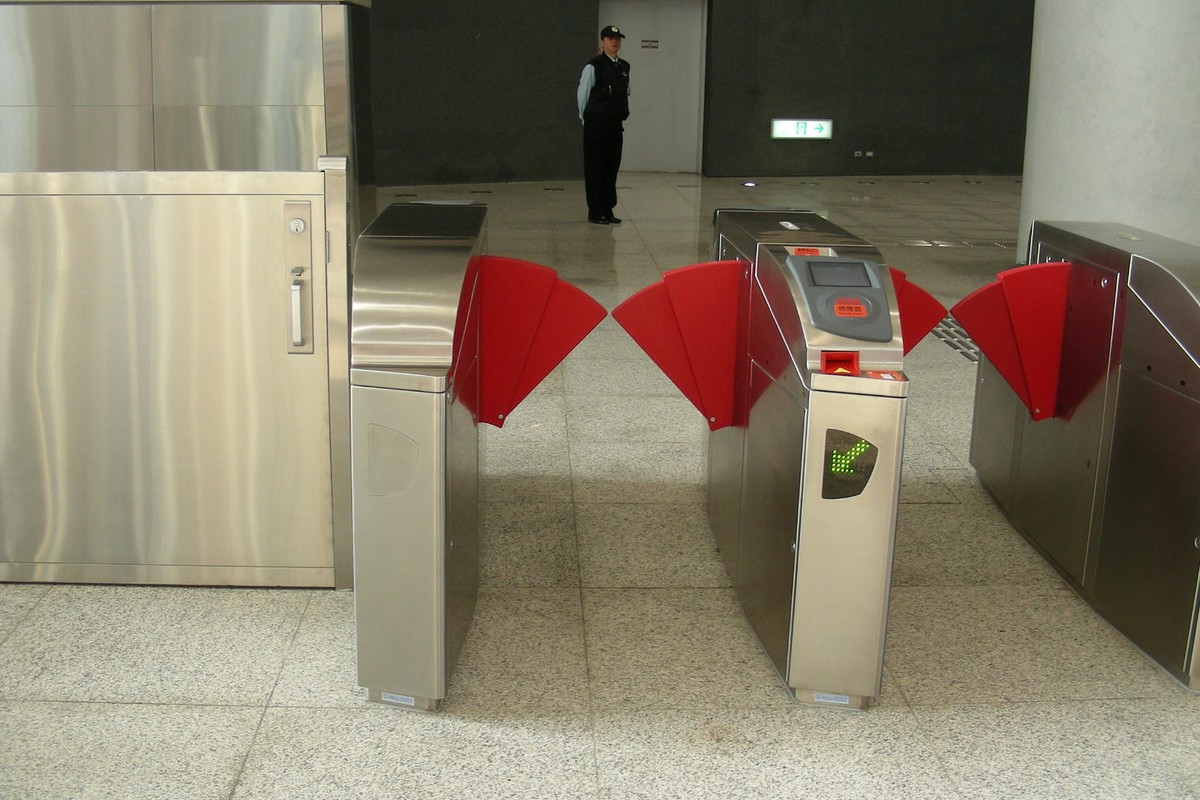
Public Television Service reported new signs and separate gate routes at Taipei Main Station on November 20. Taiwan High Speed Rail told Central News Agency that the evening exercise at Nangang, Taipei and Banqiao was intended to test passenger routes and crowd management before November 27. The operator said it would adjust the arrangements if the trial exposed problems.
The experiment concerns how people enter the paid area. It does not turn a non-reserved ticket into a seat reservation, and the fact that the November 20 trial took place does not establish a permanent gate timetable for every Friday. Its significance is that crowd control is moving upstream, from the platform to the station entrance.
What the November 27 plan actually says
The operator’s November 17 announcement identifies 5 p.m. to 8 p.m. on November 27 as a particularly busy southbound period at Nangang, Taipei and Banqiao. It proposes alternating ten minutes of entry for non-reserved passengers with a five-minute pause. Staff may vary the intervals, and controls could continue after 8 p.m. if queues warrant it.
THSR also announced additional late services and a promotional fare of 77 percent of the normal price for reserved seats in standard class on ten designated late-night services. This is a published offer, checked on November 22, rather than a live fare quote or evidence that seats remain available. The timetable and booking channel should be checked again before making plans.
Reading the signs when you travel
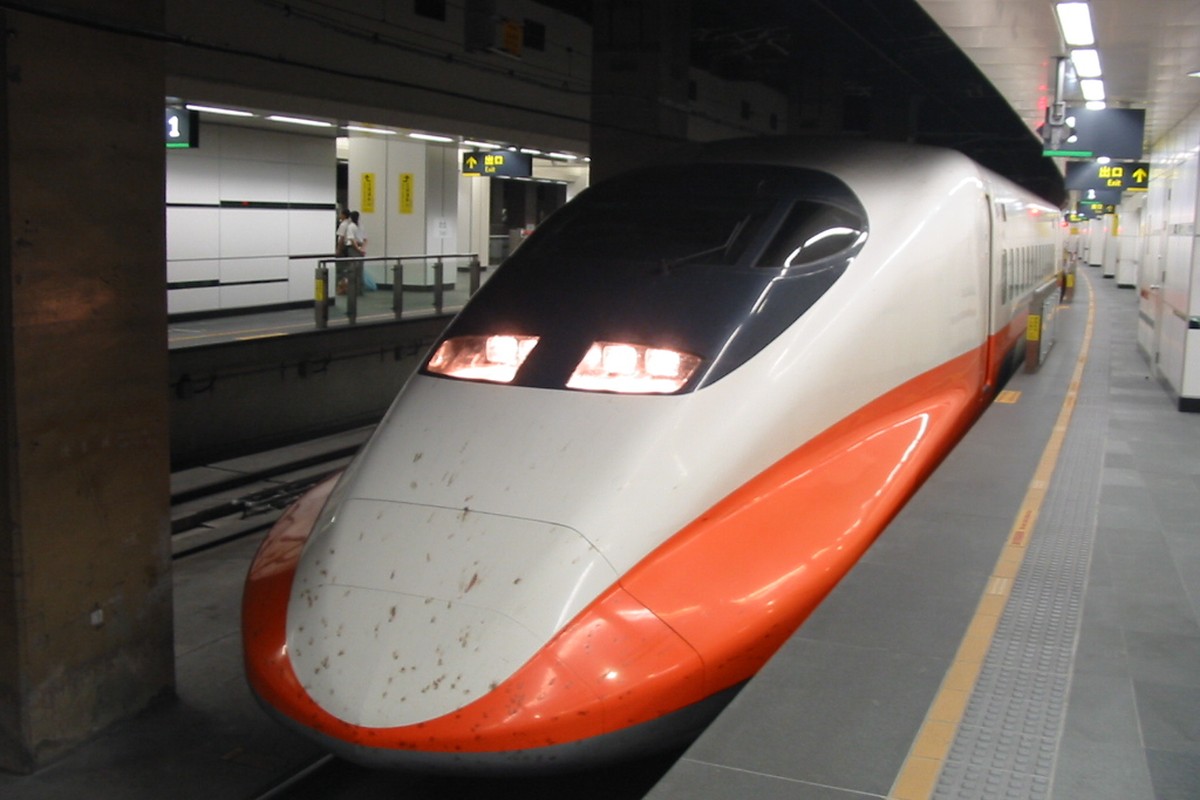
On station signs, 對號座 means reserved seating and 自由座 means non-reserved seating. For a traveller unfamiliar with Chinese, showing a ticket to station staff is a useful first step when two queues lead toward the same platforms. Look for the ticket category on the sign rather than simply joining the shortest line.
The planned non-reserved controls do not apply to the reserved-seat entry route. THSR nevertheless asks reserved passengers to arrive half an hour before departure. Its English gate guidance explains that passengers should follow the green direction arrows and use the appropriate ticket reader; staff can help travellers with large luggage, children or limited mobility.
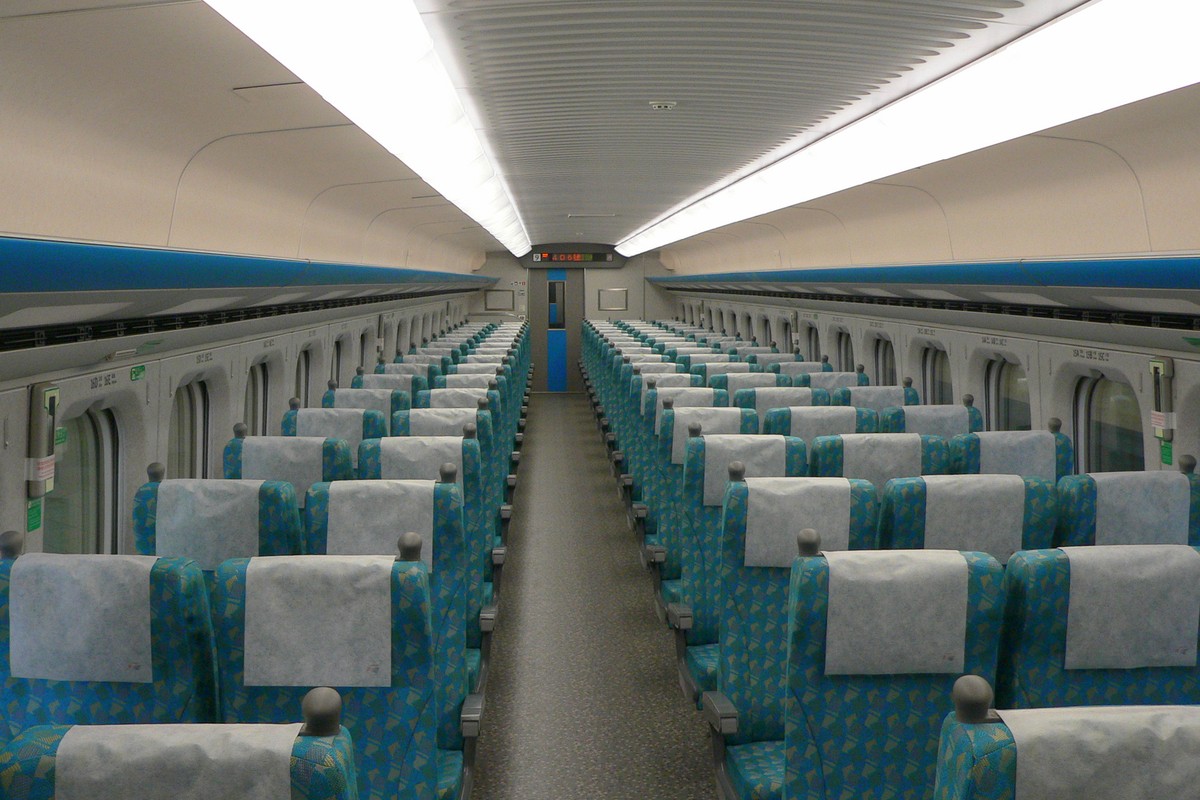
The crowd forecast reflects a weekend when return journeys and major concerts overlap. The most useful habit is to check the operator’s current non-reserved waiting-time information before leaving for the station. A historical photograph can show what the railway looks like, but it cannot tell you how long today’s queue will be.
Reporting and dates — Source article published 2026-11-20T20:02:00+08:00. Research checked November 22, 2026 (Asia/Taipei). This article is based on documentary research; it does not imply an on-site visit. Photo publication dates and known capture dates are distinguished in the captions.
Sources and further reading — PTS, November 20 trial report; THSR, November 17 operating announcement; CNA, operator’s account of the November 20 trial; THSR English ticket-gate guidance; THSR non-reserved waiting-time information.