A parcel-service announcement explains something larger about daily life in Taiwan: the convenience store is a place to organise errands as well as buy food. FamilyMart’s latest partnership moves one of those errands closer to the front door.
Reported and checked: November 7, 2026.
The next collection point could be downstairs
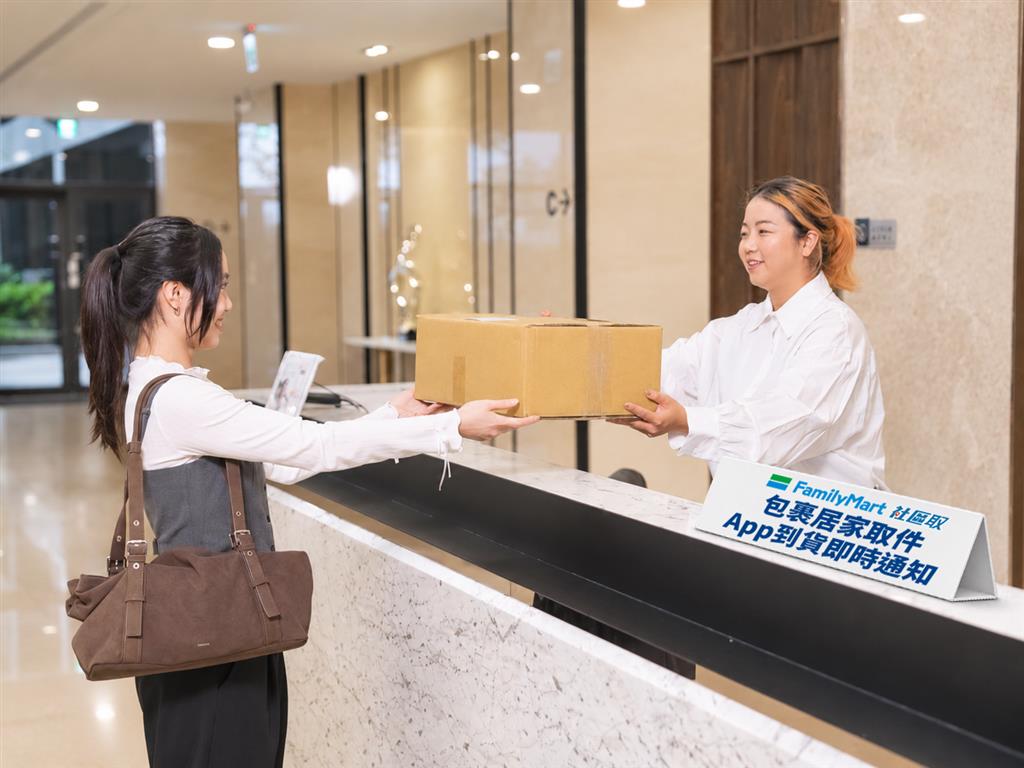
FamilyMart and Taiwanese residential-management platform SmartDaily (智生活) have introduced 社區取, a parcel service linking convenience stores with participating apartment-community management offices. FoodNEXT reports that the partnership was announced on November 5, 2026, connecting a network of more than 4,500 stores with over 10,000 partner communities.
For readers unfamiliar with Taiwan, 社區 here means a managed residential development or apartment complex. It does not mean that every neighbourhood has acquired a public parcel counter. The change concerns an existing point of contact inside participating buildings: the desk where residents already interact with management staff.
Why a convenience store is part of the story
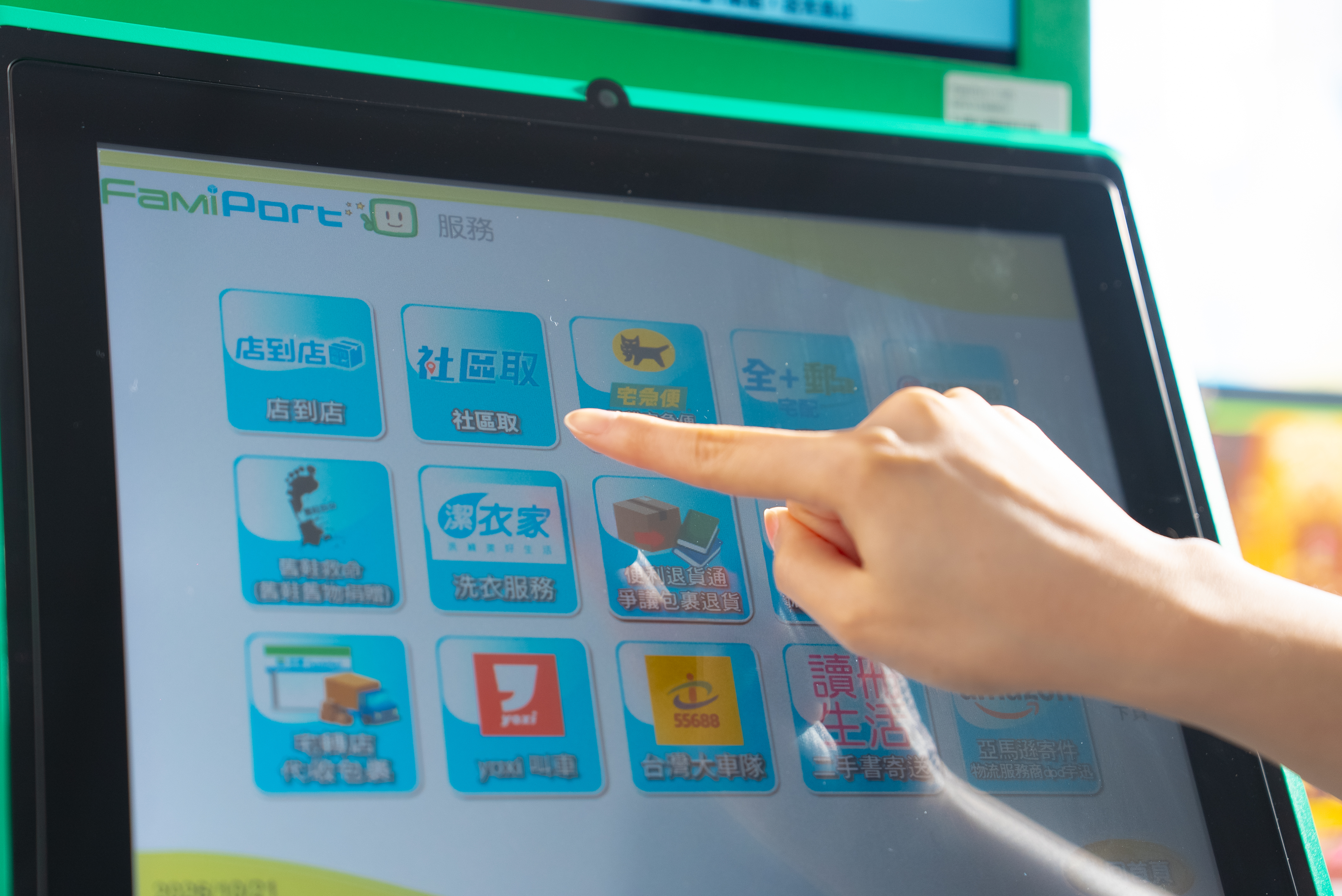
FamilyMart’s own service directory offers a useful introduction to the role of the Taiwanese convenience store. Alongside parcel services, it lists bill payments, tickets, printing, ATMs and recycling. A visitor stopping for coffee may therefore be sharing the counter with someone completing an entirely different household errand.
The new partnership builds on that service role. Instead of asking residents to make an additional trip to a store, it brings a parcel handover point into their residential routine. A helpful way to understand the idea is to separate transport from collection: a parcel still needs a logistics network, but the place where a person hands it over can move closer to home.
Four routes, with important differences
FoodNEXT describes four routes: community-to-store, community-to-community, store-to-community, and e-commerce-to-community. SmartDaily confirms that participating community counters are intended to support both sending and receiving. These are different journeys within a connected network, rather than four names for ordinary home delivery.
The official Haomai+ page supplies a more precise timeline for its own platform: store-to-community service began on October 21, while community-to-store and community-to-community followed on November 4. The November 5 partnership announcement should therefore not be read as the first operating day of every route. The same page limits service to designated partner locations and ambient-temperature parcels; refrigerated and frozen shipping are excluded.

A counter is useful only if the building can operate it
SmartDaily’s explanation also points to a less visible part of the service: building management. Staffing, access rules, residents’ habits and existing workflows vary between communities. A service that looks simple on a phone still has to fit the people and procedures at the receiving desk.
That suggests a practical question beyond the size of the network: what happens after the parcel reaches the building? Collection arrangements depend on the participating community. A store’s opening hours should not be assumed to describe a residential management office. For prospective users, confirming the actual receiving location and its procedures is more useful than treating the headline network figure as a promise of universal access.

What travellers and longer-term residents should check
For a short-term visitor, this is primarily a window into Taiwanese daily life. It is not a reason to send shopping to an arbitrary hotel or holiday rental. A longer-term resident should first use the official location checker and ask building management whether the service is available at that address.
Haomai+ currently estimates delivery at two to four working days, subject to its conditions. Its terms also distinguish signing at the community desk from the resident personally collecting a parcel, and do not provide the usual automatic return after seven days of non-collection. Promotions have limits and expiry dates, so eligibility and charges should be checked on the live official page.
The broader interest lies in how an ordinary errand changes shape. Taiwan’s convenience-store network is reaching into the place where residents already receive daily assistance. Whether that saves a meaningful trip depends on the building and the individual user; the partnership gives that question a concrete, local setting.
Sources and further reading
FoodNEXT’s November 7 report · SmartDaily’s account of the partnership · FamilyMart’s Haomai+ service terms and launch offer · FamilyMart’s everyday services directory
This article combines source reporting, official service information and editorial interpretation. Network coverage is attributed to the launch reporting. Service details and offers may change; consult the linked official terms before arranging a shipment.