A new stop on the game map
Taiwan is included in a new collaboration between Pokémon GO and shared power-bank service CHARGESPOT. INFORICH announced the partnership on 13 November 2026, with a phased rollout beginning the following day. Its plan covers about 30,000 locations across nine countries and regions. That is a combined international figure, not the number of participating stations in Taiwan.
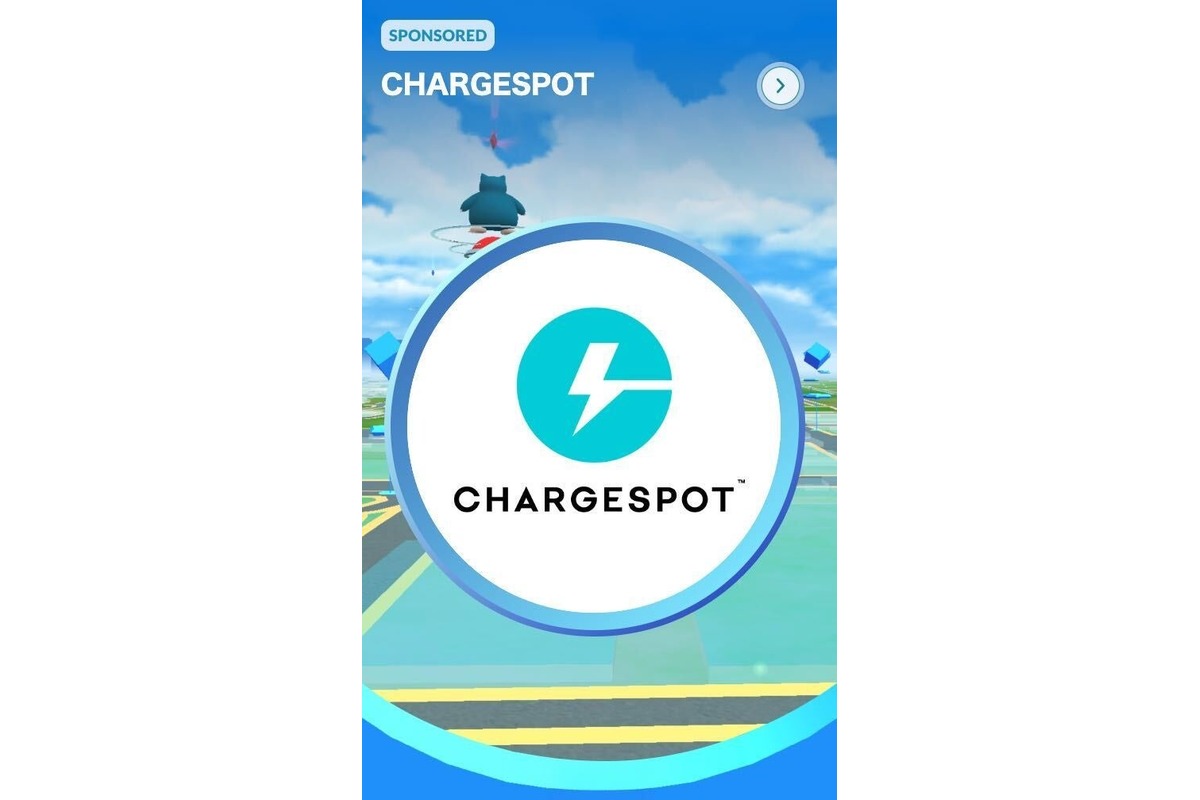
Selected charging locations are to appear as PokéStops or Gyms, bringing an existing physical service into the game’s map. The announcement names commercial facilities, transport hubs and tourist destinations among the settings involved. It gives no Taiwan-specific rollout total or complete list of active local locations. A player should therefore check the game rather than assume that every CHARGESPOT cabinet has become a game destination.
Pokémon GO uses a phone’s location to connect play with real places. For a visitor learning their way around Taiwan, this partnership adds a practical point of interest to that relationship between screen and street. A stop encountered while playing might also offer a place to rent a portable battery. The attraction is the possibility of carrying extra power onward through an outing, without having to remain beside a wall socket.

The dates describe different stages of the story. The company announcement was issued on 13 November, the rollout was due to start on 14 November, and the selected UDN article was published on 15 November. This report was checked on 20 November. None of those dates establishes when an individual Taiwan location became active. The supplied images illustrate the corporate announcement rather than documenting a visit to a local station.
What borrowing a battery means in Taiwan
The game partnership and the battery rental are separate services. The announcement does not offer free rentals. Before borrowing, a visitor needs to read the local rental screen and its payment requirements; a PokéStop icon alone does not explain the price or confirm that a battery can be borrowed at that moment.
The Taiwan operator’s Chinese-language FAQ, checked on 20 November 2026, lists ordinary rentals at NT$19 per hour, with part of an hour rounded up. It caps the first 24 hours at NT$76. Specified venues and special-event machines can use daily pricing, so the amount shown when renting takes precedence. These are published service terms, not prices independently tested in a transaction.
The clock runs from borrowing until the rental is completed by returning the battery. It measures how long the customer holds it, rather than how long a phone is actively charging. Even a depleted battery continues to incur charges until it has been returned. The FAQ also explains how to contact support if a return fails to close an order.
For someone spending the day navigating unfamiliar streets, the useful habit is to plan the return as well as the borrowing. Check the service’s own rental information, leave time to complete the return and confirm the order has ended. This report has not tested a rental, a foreign-issued payment card or any particular game location, and the announcement is not evidence of changes in footfall or player behaviour.
Reporting and published rental terms checked 20 November 2026. Images supplied by INFORICH via PR TIMES under its news-reporting terms. Individual creators and original image creation/capture dates were not supplied. No AI-generated image is used.