Pineapple leaves have a second itinerary in Yunlin. After the fruit harvest, they can enter a chain of fiber extraction, yarn making and textile production. On November 18, the county government and National Formosa University brought industrial partners into an expanded alliance intended to connect those separate steps.
The new development is the collaboration, rather than the invention of pineapple fiber or the construction of a factory overnight. An Agriculture and Food Agency announcement from April already recorded that Yunlin’s automated extraction facility had been completed in March. November’s agreements build on that earlier equipment and research.
A harvest leaves more than fruit
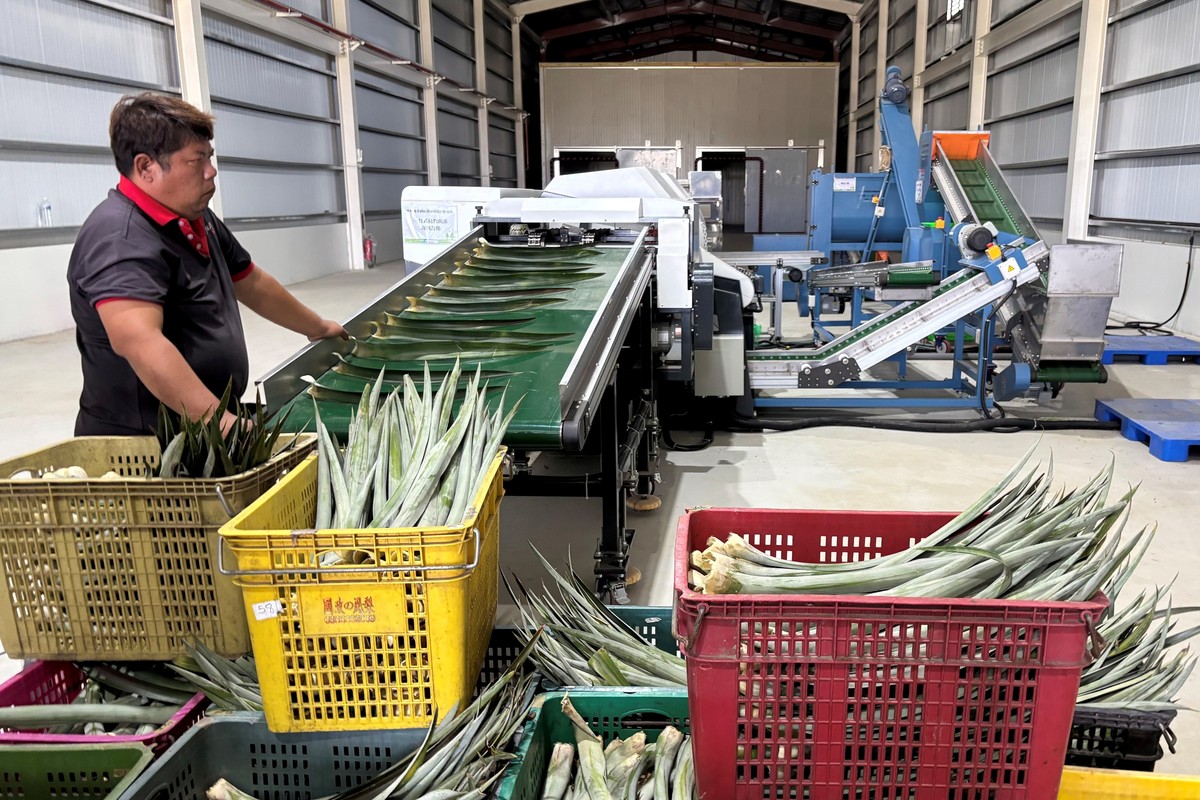
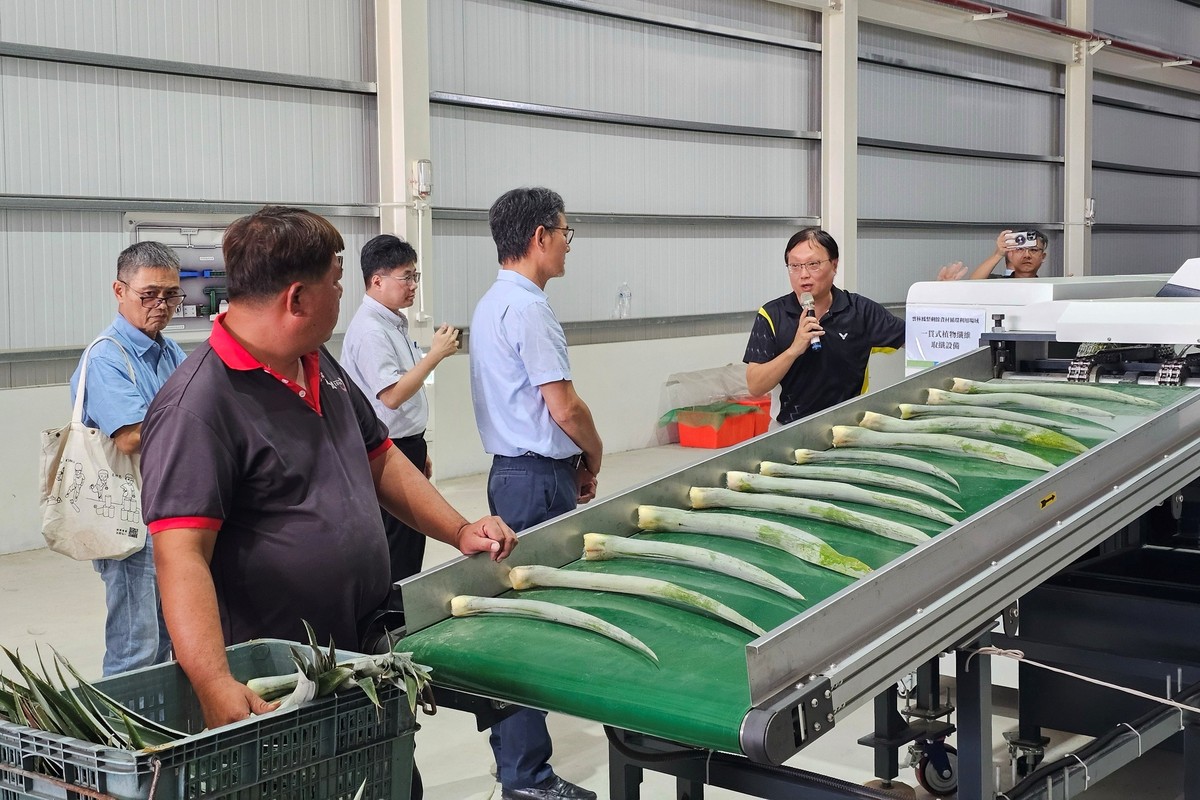
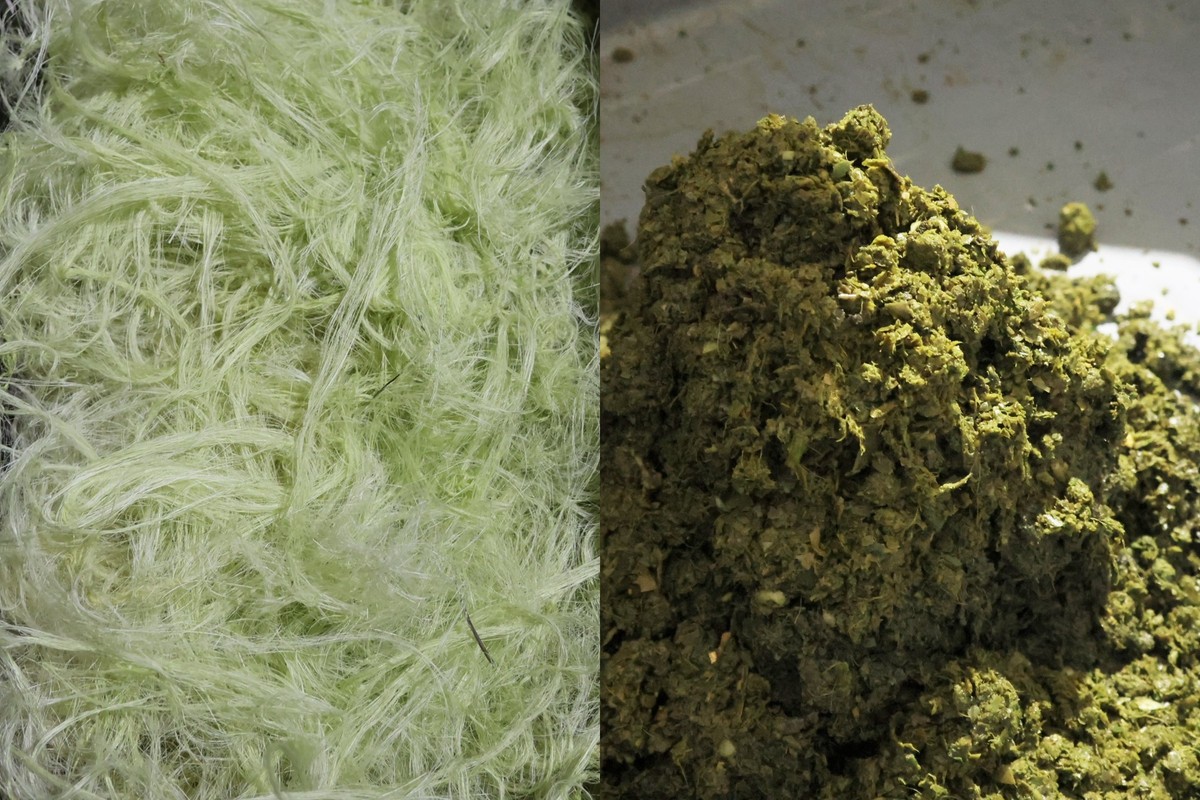
The Agriculture and Food Agency describes a production route that starts with automated extraction of fiber from pineapple leaves. Further processing can turn the material into yarn for clothing, hats and woven bags. Leaves remaining after harvest become a possible industrial input, rather than something valued only in relation to the fruit.
The project brings together the Yunlin County Yongxing Fruit and Vegetable Production Cooperative, National Formosa University and the Taiwan Textile Research Institute. The agency’s November 17 account described the facility’s operation; foodNEXT’s November 19 article brought the work to a wider food readership. Those publication dates should not be confused with the March completion date.
Connecting the steps between a leaf and a textile
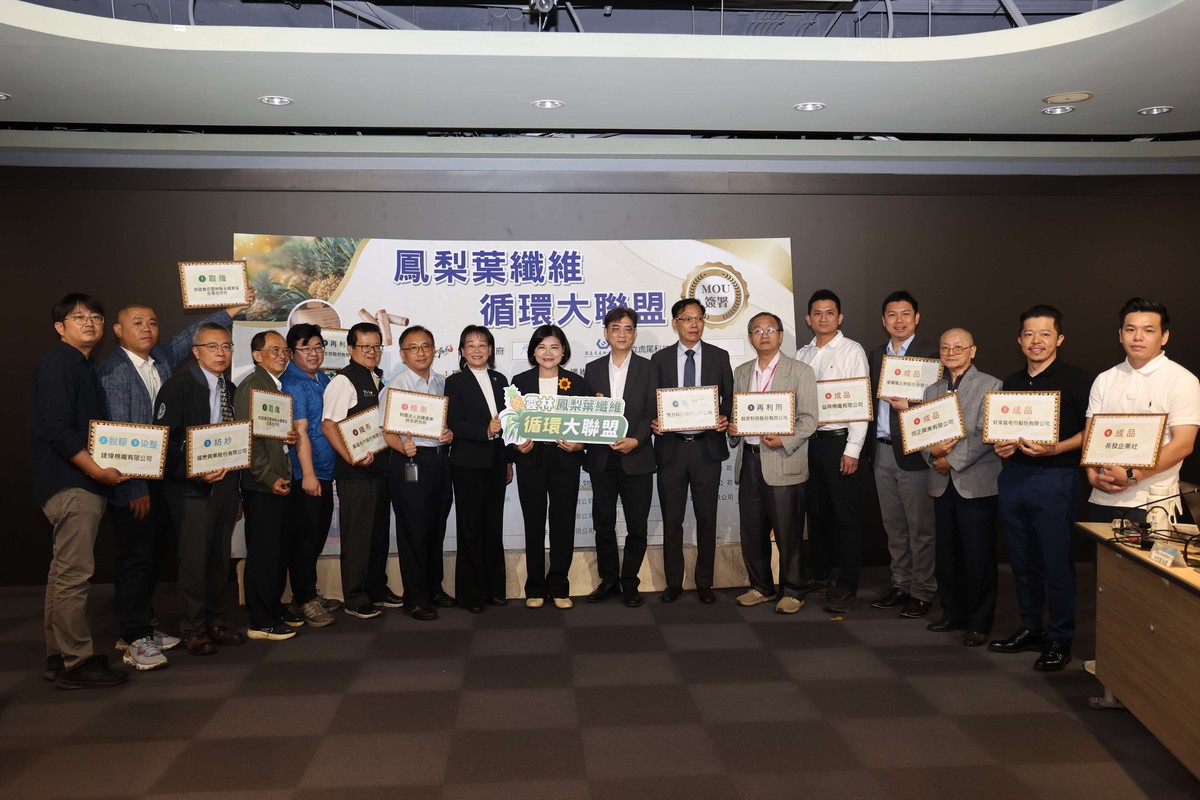
The expanded November alliance assigns partners across extraction, degumming, spinning, weaving, dyeing, product development, testing and reuse of by-products. These are separate jobs. Extracting a promising fiber does not, by itself, produce a finished towel or a garment that can be made consistently at scale.
Yunlin’s November 18 release identifies Formosa Taffeta among the spinning partners and Guang Fu Towel among the weaving partners. The Textile Research Institute is involved in quality testing. The county says an exhibition of the alliance’s results is planned for the first half of 2027; that remains a plan, rather than a currently open visitor attraction.
For an overseas reader, the project offers another way to understand Taiwan’s food economy. The boundary of an agricultural product need not end at the packing house or the dining table. Here, the proposed next customer for a farm residue is a manufacturer.
Useful materials, with results still to measure
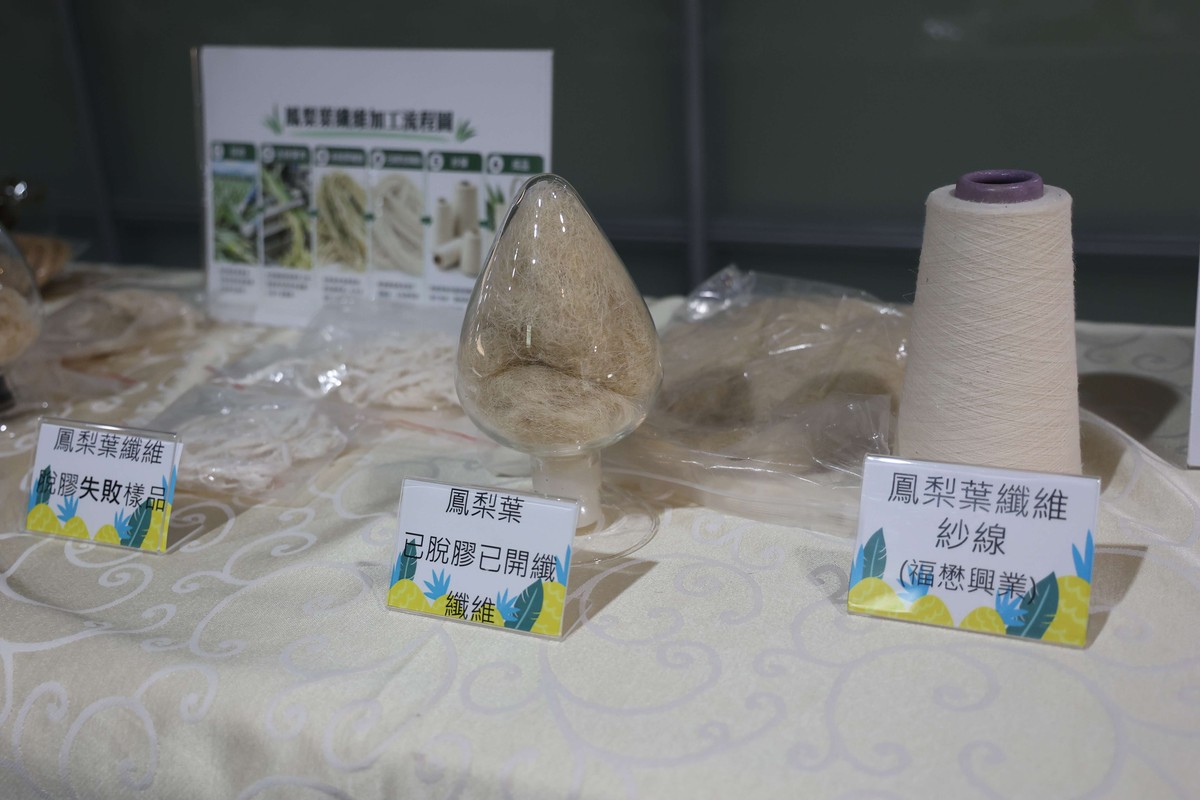
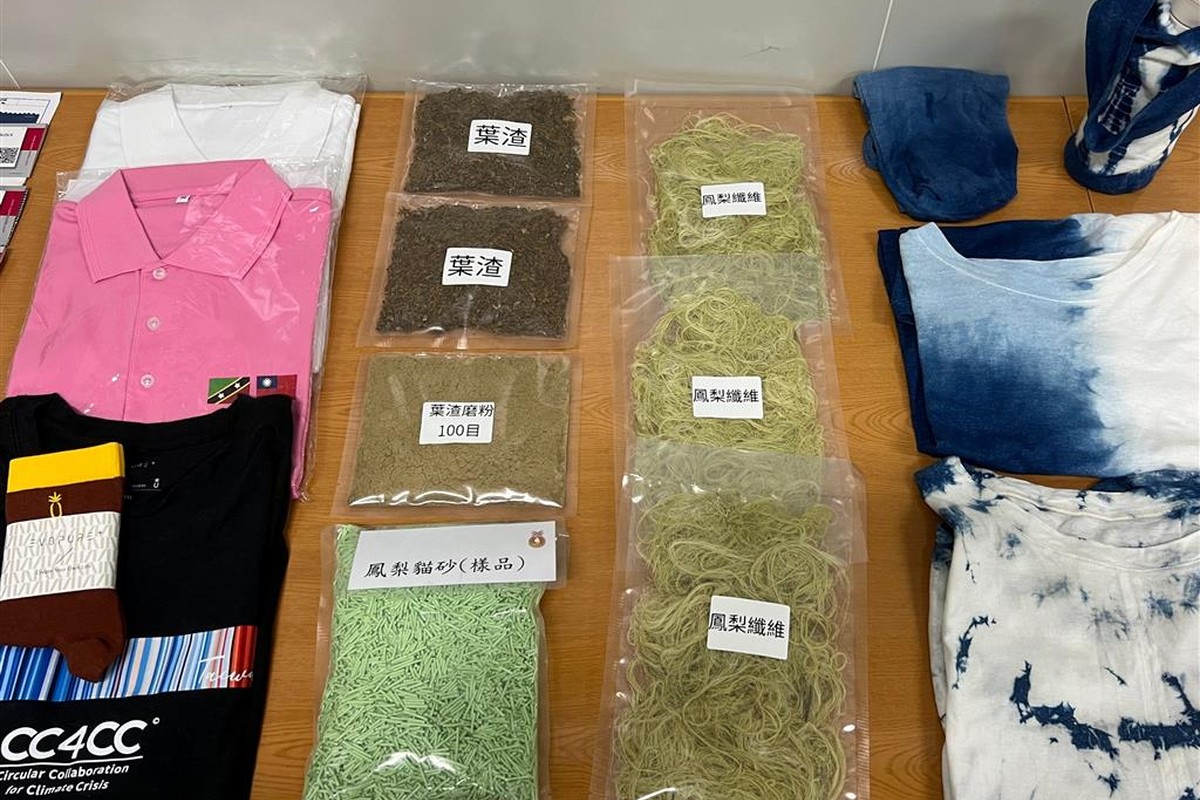
The agency also describes uses for material left after fiber extraction, including feed and leather-like materials. Its November release lists further biotechnology and cosmetic applications. These are reported processing and development routes, not a claim that every residue stream already has a profitable buyer or that a particular consumer product is available nationwide.
The photographs show equipment, demonstrations, fibers and product samples supplied by the public agencies. They help make the chain tangible, but they do not establish production volumes, product durability or the amount of carbon saved. Those questions require operating data and product testing beyond the announcements reviewed here.
For now, the concrete change is a broader network connecting growers, researchers and processors. Its progress will be visible in whether the partners can turn sample materials into repeatable products and continuing orders. No retail price, public factory tour or booking arrangement was independently confirmed for this report.
Reporting and dates — Source article published 2026-11-19. Research checked November 22, 2026 (Asia/Taipei). This article is based on documentary research; it does not imply an on-site visit. Photo publication dates and known capture dates are distinguished in the captions.
Sources and further reading — foodNEXT, November 19 report; Agriculture and Food Agency, November 17 facility account; Yunlin County Government, November 18 expanded alliance announcement; Agriculture and Food Agency, April 16 background confirming March completion.